DIY Car Maintenance: Simple Tips from Sanford's Experts
BT
Introduction to DIY Car Maintenance
Maintaining your car can seem daunting, but with a few simple tips, you can keep your vehicle running smoothly. Sanford's experts have shared their top DIY car maintenance strategies to help you save time and money while ensuring your car stays in excellent condition.
Regular Oil Checks and Changes
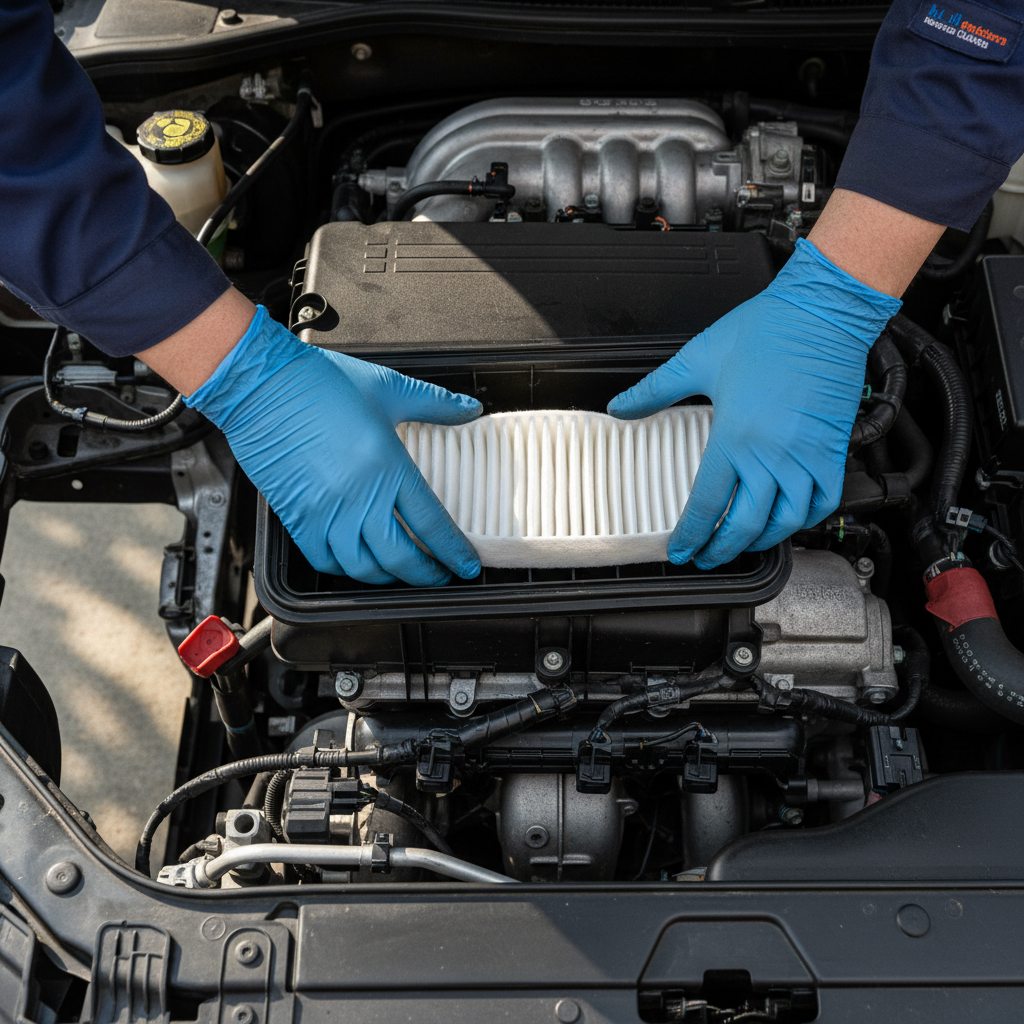
One of the most critical aspects of car maintenance is regularly checking and changing your oil. Fresh oil keeps your engine running smoothly and efficiently. To check your oil, simply pull out the dipstick, wipe it clean, reinsert it, and then pull it out again to see the level. If it's low or dirty, it's time for a change.
Changing your oil every 3,000 to 5,000 miles, depending on your car's requirements, helps prevent engine wear and tear. Make sure to use the right type of oil for your vehicle as specified in your owner's manual.
Tire Maintenance for Safety
Tires are your car's connection to the road, so keeping them in good condition is vital. Regularly check the tire pressure and ensure it matches the recommended levels found in your car's manual. Under-inflated tires can decrease fuel efficiency and lead to uneven wear.
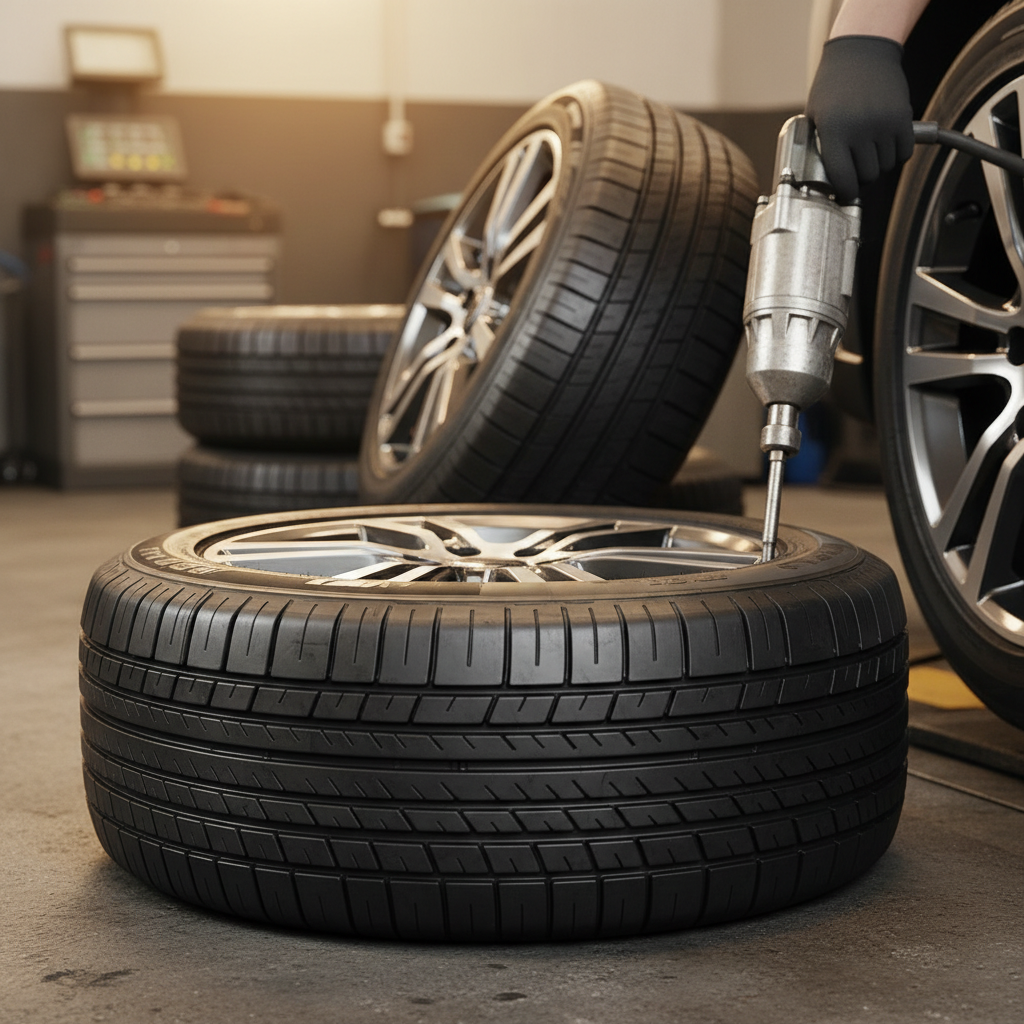
Additionally, rotate your tires every 6,000 to 8,000 miles to promote even wear and extend their lifespan. Don’t forget to inspect the tread depth; if it's too low, it might be time for a replacement.
Battery Care and Maintenance
Your car's battery is essential for starting the engine and powering electrical components. To maintain it, check for corrosion on the terminals and clean them if necessary. Ensure the battery is securely fastened and that the fluid levels are adequate.
If you notice any signs of a weak battery, such as dimming lights or slow engine crank, it may be time for a replacement. A multimeter can be used to test its voltage and ensure it's holding a charge properly.

Brakes: Ensuring Optimal Performance
Brakes are crucial for safety, so regularly inspecting them is a must. Listen for any unusual noises, like squeaking or grinding, which could indicate worn pads. Check the brake fluid level and top it off if needed, using the correct type specified for your car.
Having your brakes inspected by a professional every 12,000 miles or annually is a smart move to ensure they remain in optimal condition.
Conclusion: Keeping Your Car in Top Shape
By following these simple DIY car maintenance tips from Sanford's experts, you can keep your vehicle running smoothly and safely. Regular maintenance not only enhances performance but also saves you from costly repairs down the line.
Remember, if you're ever unsure about a particular maintenance task, consult your car's manual or seek professional assistance to avoid any potential issues.