Common Tire Myths Debunked: What Every Florida Driver Should Know
BT
Understanding Tire Lifespan
One common myth is that tires should be replaced every few years regardless of their condition. In reality, the lifespan of a tire depends on various factors, including usage, maintenance, and driving conditions. For Florida drivers, where the climate is warm and humid, regular inspections are crucial to assess tire health.
It's important to check for signs of wear such as tread depth, cracking, and bulging. A good practice is to perform the penny test: insert a penny into the tread with Lincoln’s head upside down. If you can see the top of his head, it's time for new tires.
Myth of the All-Season Tire
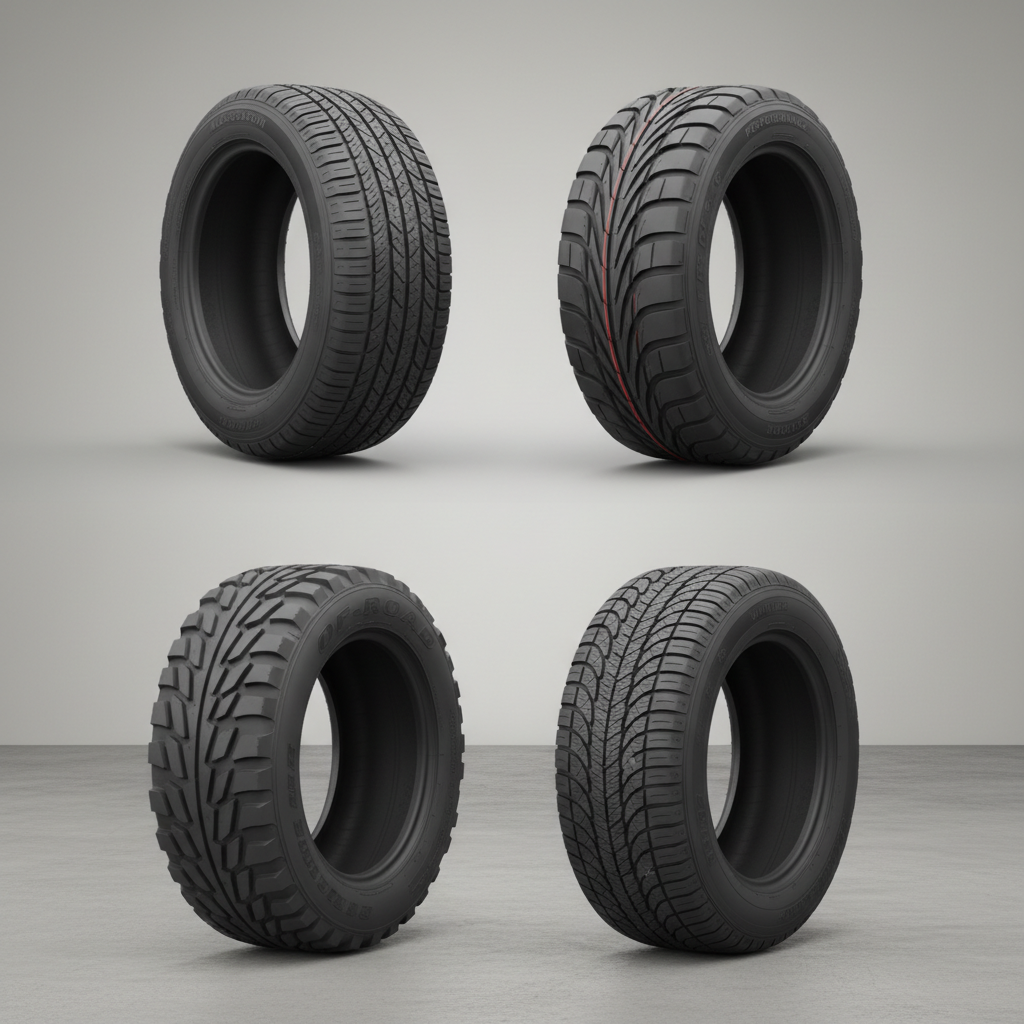
Many drivers believe that all-season tires are suitable for every type of weather and road condition. While they are versatile, all-season tires can’t match the performance of specialized tires in extreme conditions. For Florida, where rain is frequent, it's crucial to ensure your tires offer good wet traction.
Consider investing in tires specifically designed for wet conditions if you often drive in heavy rain. These tires have unique tread patterns and rubber compounds that provide better grip on slick roads.

Inflation and Pressure Myths
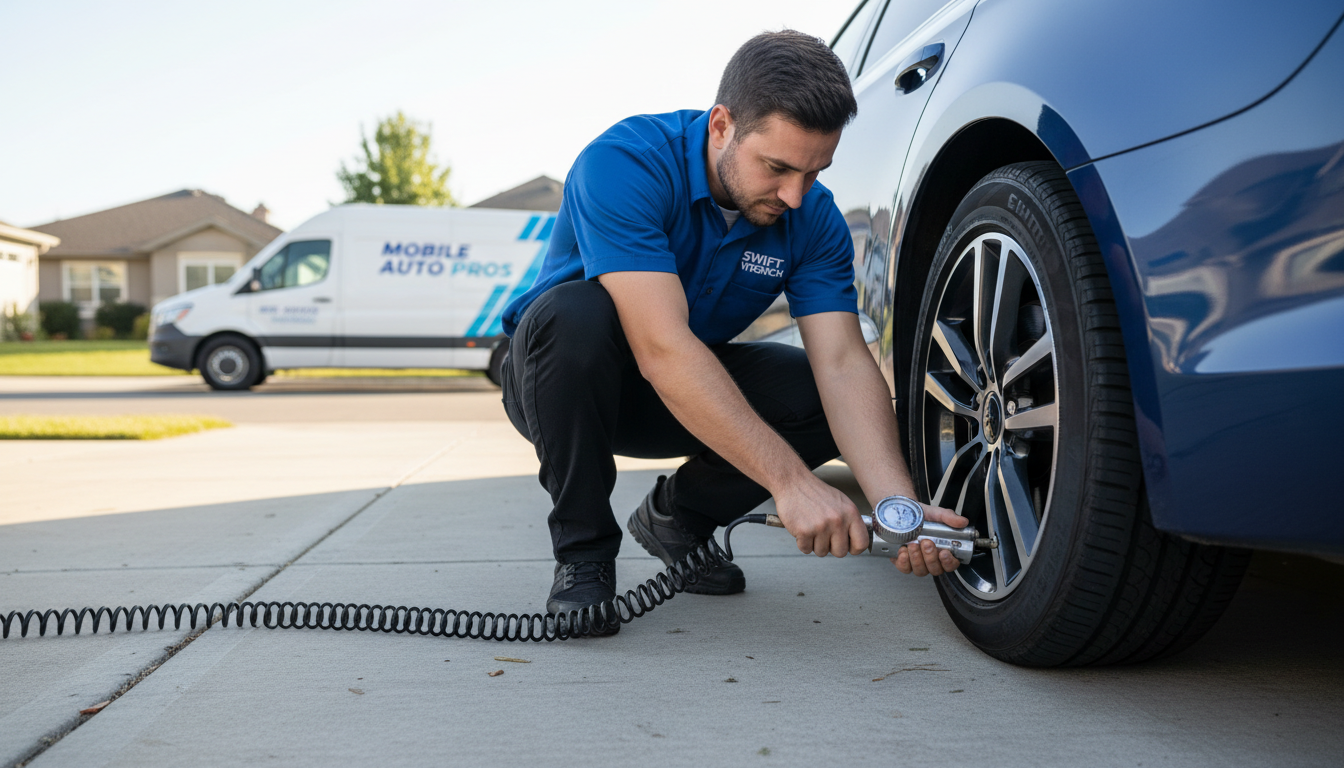
Another widespread myth is that you only need to check tire pressure once in a while. In fact, maintaining the correct tire pressure is essential for safety and fuel efficiency. Florida's fluctuating temperatures can cause tire pressure to change, so regular checks are necessary.
Use a reliable tire pressure gauge to ensure your tires are inflated to the manufacturer's recommended levels. Under-inflation can lead to increased tire wear, while over-inflation may reduce traction.
Myth: New Cars Have Perfect Tires
Many people assume that new cars come with perfect tires, but this isn't always the case. While the tires are new, they may not be the best fit for Florida's specific driving conditions. It's wise to evaluate the tires' suitability for your driving habits and local weather.
Consider factors such as tread pattern and tire type when assessing new car tires. A quick consultation with a tire specialist can provide valuable insights into whether your new car's tires are optimal for your needs.
Tire Rotation Isn't Necessary
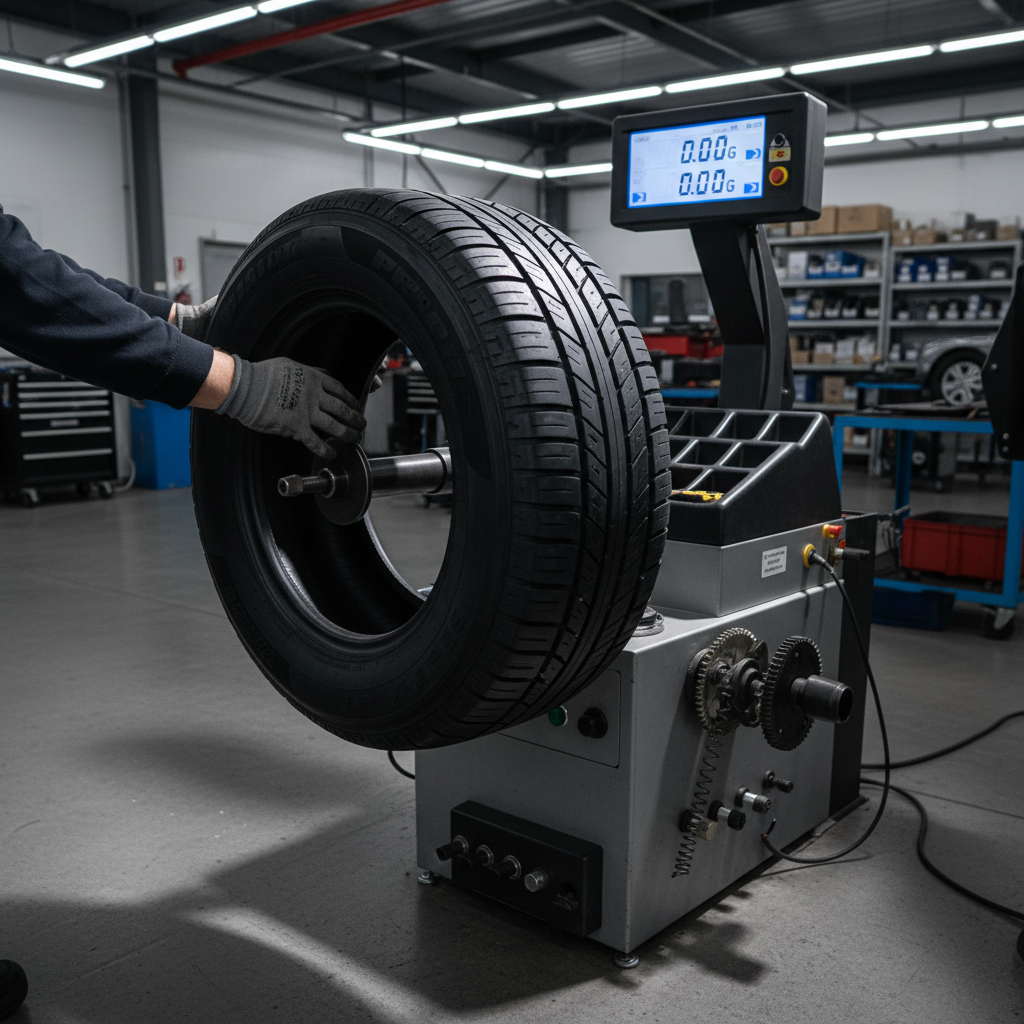
Some drivers believe that tire rotation is unnecessary, but this practice is crucial for extending the life of your tires. Regular rotation helps promote even wear, improving performance and longevity.
For Florida drivers, where the roads can be hot and abrasive, sticking to a rotation schedule can make a significant difference. Aim to rotate your tires every 5,000 to 8,000 miles, or as recommended by your vehicle's manufacturer.
Conclusion: Staying Informed
Dispelling these common tire myths can lead to safer and more efficient driving. By staying informed and proactive about tire maintenance, Florida drivers can enhance their road safety and extend the life of their tires. Regular checks, proper care, and choosing the right tires for your environment are key steps in achieving this.
Remember, your tires are the only contact between your vehicle and the road. Taking the time to understand and care for them is an investment in your safety and peace of mind.